

Early August brings us to a distinctive point in the seasonal year. The days are still warm and the landscape is full of life, yet the first signs of change are beginning to appear. Grain ripens in the fields, fruits swell on the branches and seeds form where flowers once bloomed. The light has started to soften, and the evenings are gradually drawing in.
This is the time of Lammas, traditionally observed around 1 August in the Northern Hemisphere and often described within the modern Wheel of the Year as the first harvest festival.
Lammas invites us to pause at summer’s peak and recognise what the season has produced. It is a celebration of food, nourishment and the abundance of the land. It also offers a spiritual opportunity to consider what has been growing within our own lives and what may now be ready to gather, acknowledge or share.
In 2026, the landscape around me in Gloucestershire tells a different story. After a long period of very little rain and repeated heatwaves, much of the countryside has turned brown. The ground is dry, plants are under strain and the usual green abundance of summer feels far less visible.
It has made me wonder what the first harvest means during a year when the land itself appears exhausted. There will still be crops gathered and fruits ripening, although the harvest may be smaller, earlier or harder won. Perhaps Lammas also offers a time to acknowledge the vulnerability of the land, the value of water and the many conditions that allow abundance to grow.
Wherever you are, take a moment to look at the landscape around you. What is the season showing you this year? Perhaps the fields are full, gardens are producing generously and fruit is ripening on the trees. Perhaps the land is dry, growth has slowed or the usual signs of abundance feel harder to find.
Seasonal festivals gain meaning through this direct relationship with the world around us. The traditional themes of Lammas offer a starting point, while the land itself tells us how the season is unfolding here and now.
What appears to be thriving? What is under strain? What has adapted to the conditions? What has reached maturity, and what may need more time?
These observations can also guide our personal reflection. Our own lives contain seasons of visible abundance, slower growth, adaptation and conservation. The harvest we recognise may look different from the one we expected, yet it can still reveal what has developed, what has sustained us and what deserves our care.
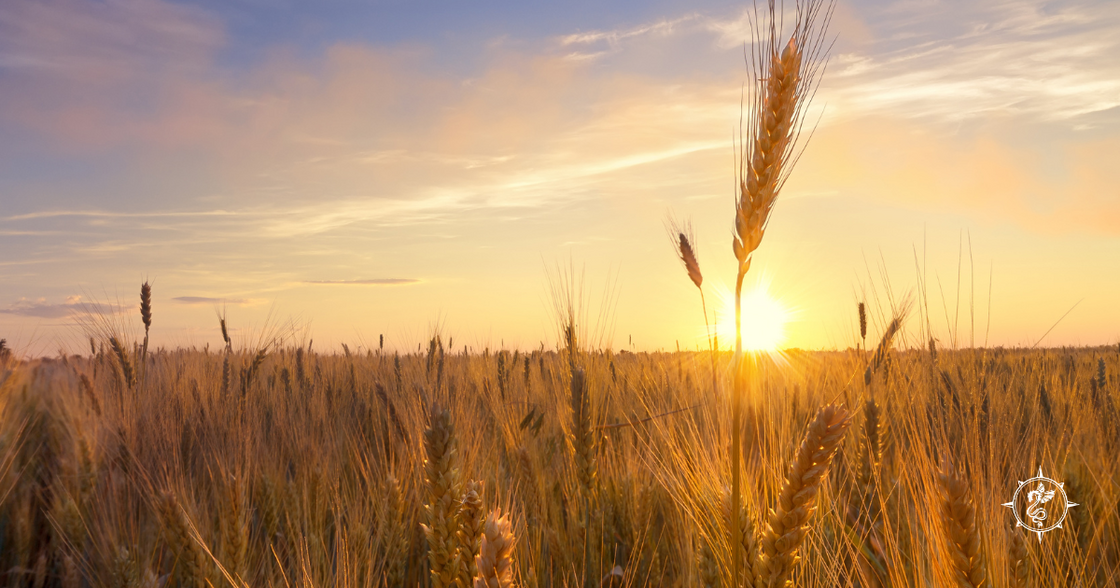
The meaning of Lammas
The name Lammas comes from the Old English hlāfmæsse, meaning “loaf mass”. It refers to an English Christian custom in which a loaf made from the first wheat of the new harvest was brought to church and offered in thanksgiving. The observance marked the beginning of the cereal harvest, traditionally around 1 August.
At the heart of Lammas is the transformation of grain into bread.
A field of individual plants is harvested and the grain is milled, mixed, kneaded and baked. What began as seed becomes nourishment. The loaf represents the combined work of the soil, sunlight, rain, farmer, miller and baker. It carries a whole network of relationships within it.
This gives bread a spiritual significance extending far beyond the food itself. It represents life, labour, patience, transformation and our dependence upon the natural world. It also belongs to the shared table, where nourishment becomes part of family and community.
Lammas reminds us that abundance grows through relationship. The land provides, people cultivate and the harvest is received with gratitude.
Lammas and Lughnasadh
Lammas is often called Lughnasadh within modern Pagan and Wheel of the Year practice. The two festivals share a place in the seasonal calendar and contain related themes, although they come from different cultural and religious traditions.
Understanding that distinction allows each festival to retain its own history.
Lammas developed within the Anglo-Saxon and English Christian tradition. Its central image is the loaf made from the first grain and offered as an expression of thanksgiving.
Lughnasadh, also written Lughnasa and known in modern Irish as Lúnasa, belongs to the Gaelic tradition. It marked the beginning of the harvest season and was historically celebrated in Ireland, Scotland and the Isle of Man. Its name is associated with Lugh, an important figure in Irish mythology.
Lughnasadh is commonly pronounced approximately LOO-nuh-suh in English, although pronunciation varies according to language and regional usage.
Traditional accounts connect the festival with gatherings established by Lugh in honour of his foster-mother, Tailtiu. In Irish mythology, Tailtiu is associated with clearing the land for agriculture, giving her story a direct connection with cultivation, effort and the fertility of the earth.
In more recent centuries, many Lúnasa gatherings took place on the last Sunday in July or the first Sunday in August, with mountain gatherings, pilgrimages and harvest fairs continuing in different areas.
Lammas and Lughnasadh therefore meet at the threshold of the harvest while carrying different stories.
Lammas centres upon the first loaf, thanksgiving and the English grain harvest.
Lughnasadh centres upon Gaelic seasonal gatherings, the beginning of harvest and the traditions surrounding Lugh and Tailtiu.
Modern seasonal practice often brings their symbolism together. Both recognise the relationship between the land, human effort, nourishment and community. Their differences add depth to the season and allow us to appreciate the varied ways people have honoured the beginning of harvest.
The spiritual meaning of the first harvest
The first harvest carries a different quality from the harvest celebrations that come later in the year.
It marks a beginning. The land is offering its first ripe produce, while much remains to grow and mature. Early August therefore holds both fulfilment and possibility. Some things are ready to gather, while others are continuing to ripen.
This can become a meaningful point for reflection.
We may begin the seasonal year with intentions, ideas or hopes that resemble seeds. For me, that sense of beginning belongs most naturally to Ostara. The spring equinox feels like a true new year, as light returns, growth becomes visible and the land begins to awaken. Midwinter carries its own importance, although it feels more like a time of stillness, reflection and preparation.
By Lammas, we may be able to see the first results of what we have cultivated since spring. Some things grow quickly. Others require time, attention and changing conditions.
A personal harvest can take many forms. It may be a project reaching completion, a skill developed through practice or a clearer understanding gained through experience. It may appear through a friendship that has deepened, a decision that has brought greater alignment or the ability to recognise our own needs more clearly.
The harvest gives visible form to a process that has already taken place.
A field of ripe grain carries months of growth within it. In the same way, our own achievements often contain countless small choices, repeated efforts and moments of learning. Lammas gives us an opportunity to see the whole process and acknowledge the part we have played within it.
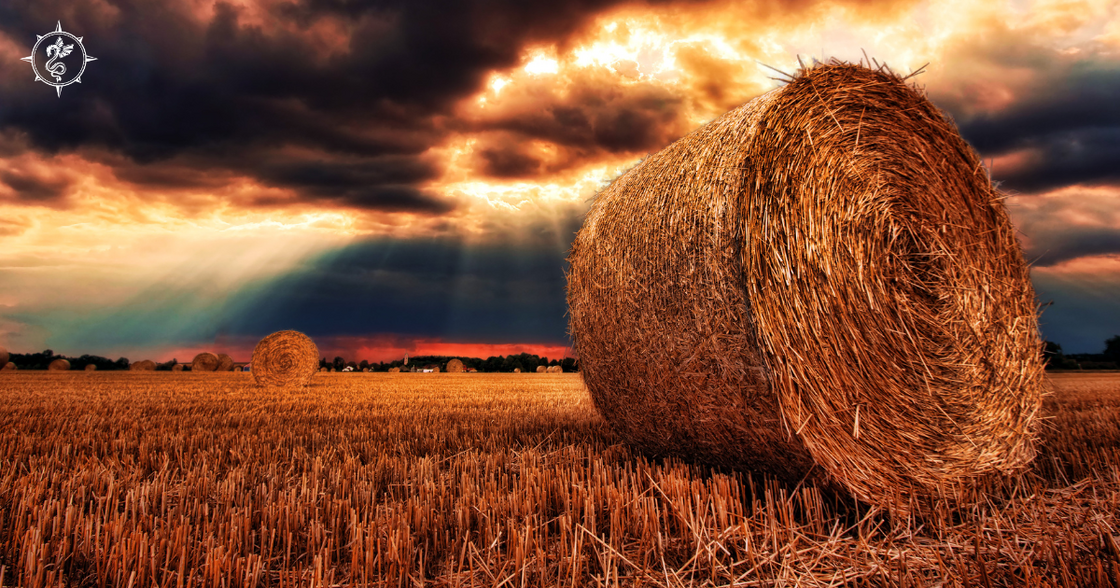
Gratitude, abundance and responsibility
Abundance can be easy to overlook when our attention moves quickly towards the next task, plan or season.
Lammas encourages us to notice what is already present.
This may include the food available to us, the people who contribute to our lives, the knowledge we have gathered or the resources that support us. Gratitude begins with awareness. We pause long enough to recognise what nourishes us and where it has come from.
The harvest also carries responsibility.
Grain must be gathered at the right time. Food needs to be stored, prepared or shared. Seeds may be saved for another year. The harvest asks us to participate wisely in the cycle of receiving and giving.
Spiritually, this can encourage us to consider how we use what we have cultivated. Knowledge can be shared. Time can be offered. Food can be placed on a communal table. Someone else’s work can be recognised. A creative idea can be brought into the world where it may support or inspire others.
Abundance becomes part of connection when it is consciously received and thoughtfully shared.
Summer at its peak
The phrase “summer’s peak” contains a subtle seasonal truth.
By early August, summer has reached a point of maturity. In some years, this may appear as richly green trees, full hedgerows and fields glowing with ripening crops. In others, the land may be dry, faded and shaped by prolonged heat. The signs vary from year to year and from place to place, yet the movement of the season continues.
The summer solstice has passed, daylight is gradually decreasing and the first harvest marks the beginning of the turn towards autumn.
Lammas draws our awareness towards this relationship between maturity and change. It encourages us to observe the season as it is, appreciating what has developed while remaining attentive to the conditions affecting the land.
There is a particular spiritual beauty in recognising a moment while we are living within it.
We may notice berries and seeds forming, crops being gathered, leaves changing colour or plants conserving their energy. Each of these signs tells us something about the season, the landscape and the ways life responds to changing conditions.
Simple ways to celebrate Lammas today
A modern Lammas celebration can be simple and personal. It may draw upon the symbolism of bread and grain, the wider abundance of the season or your own spiritual relationship with nature.
You could bake a loaf of bread and take time to consider the people, skills and natural elements involved in creating it. Sharing the loaf with family, friends or neighbours reflects the communal meaning of the harvest.
A seasonal meal made with locally grown produce can become another expression of gratitude. Visit a farm shop or market, notice what is currently available and learn where your food has been grown.
Walking through the countryside offers an opportunity to observe the season directly. Look for ripening grain, blackberries, rowan berries, hazelnuts, seed heads and the changing quality of the light. Notice what is abundant in your local landscape.
You could also create a small seasonal space using fallen grain, flowers, seeds, fruit or a candle in warm harvest colours. Each item can represent something you value or something that has supported you during the year.
Lammas can also be marked through reflection. You may wish to write about one or more of these questions:
What has grown in my life during this year?
What is ready to be gathered or completed?
What continues to need time and care?
What has nourished and supported me?
What can I share from my own harvest?
These questions create a personal connection with the season while allowing the meaning of harvest to emerge through your own experience.
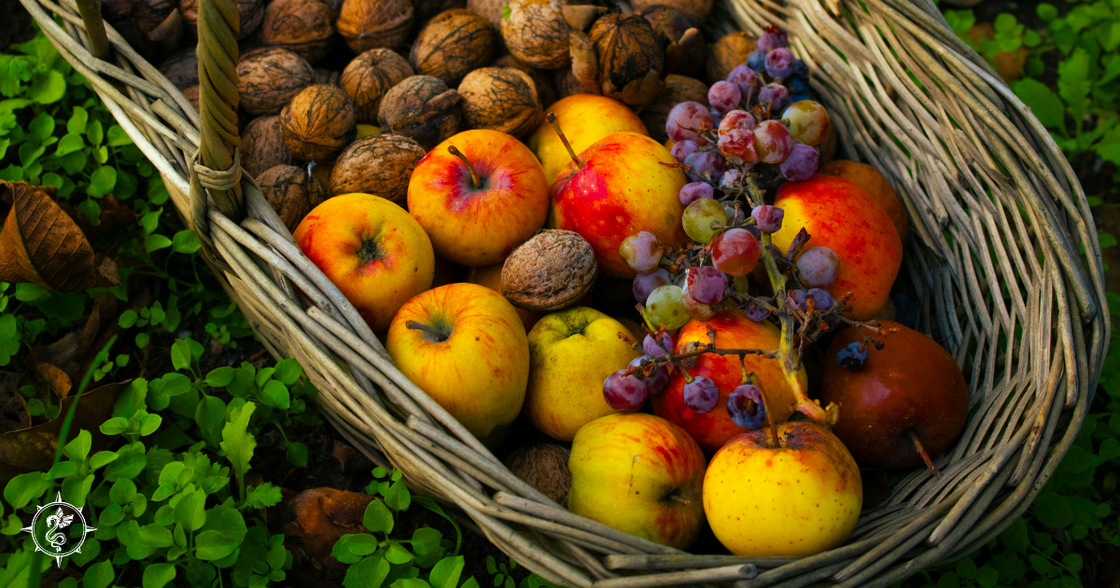
Recognising life’s small harvests
The first harvest reminds us that meaningful growth may begin with modest signs.
A single loaf represents a whole field of grain. A bowl of fruit represents months of blossom, pollination, sunlight and rain. The result may appear simple, while its roots reach deeply into time, work and relationship.
Our own lives contain many small harvests. They can be found in something we now understand, something we have learned to do or a choice that has helped life feel more manageable and enjoyable. They may also appear in the confidence to continue nurturing something whose full harvest will come later.
Lammas offers a spiritual pause within the movement of the year. It asks us to notice the abundance already around us, honour the effort behind it and appreciate the connections that make nourishment and growth possible.
As summer reaches its peak and the first harvest begins, we can receive the season with awareness and gratitude.
We can gather what is ready, share what we can and allow the rest to continue ripening in its own time.

Comments